
Things to Do in Banjul in May
May weather, activities, events & insider tips
Low Season · Budget Friendly
May Weather in Banjul
Long-run averages for May
88°F (31°C)
High Temp
70°F (21°C)
Low Temp
0.1 inches (3 mm)
Rainfall
72%
Humidity
11
Sunny-Day UV
⚠ Extreme UV exposure at this latitude requires diligent sun protection. Sunburn can occur within 30 minutes of unprotected midday exposure, and the Atlantic breeze masks the sensation of burning until the damage is done. Reapply often.
⚠ Mosquito activity increases noticeably in May as humidity rises ahead of the rainy season. Malaria prophylaxis is strongly recommended by health authorities for all travelers to The Gambia, and evening mosquito protection, repellent, long clothing, treated nets, is essential. Don't skip this.
⚠ Occasional power outages affect Banjul and the coastal strip without warning, sometimes lasting several hours. Accommodation with backup generators is worth prioritising, and a headlamp in your daypack prevents stumbling through unfamiliar spaces in the dark. Pack one.
Making the most of May in Banjul? Browse tours and activities in Banjul on GetYourGuide.
Is May Right for You?
Weigh the advantages and considerations before booking
Advantages
- + May marks the tail end of Banjul's dry season. You get near-zero rainfall. Just 3 mm (0.1 inches) for the entire month. The skies stay clear enough for the Atlantic horizon to sharpen into a hard blue line by mid-morning. June's rains are weeks away. Plan outdoor days without a backup.
- + This is low season for tourism along the Gambian coast. The Senegambia strip, which gets shoulder-to-shoulder from November through March, thins out. You can walk Kololi Beach for twenty minutes without passing another visitor. Accommodation rates drop noticeably. Guides who are usually booked solid suddenly have open days.
- + Mango season peaks in May across The Gambia. The difference between a mango bought at Albert Market in May and anything from a supermarket abroad is the difference between hearing a song on your phone and hearing it live. The local varieties show up on every roadside table. The small, fibrous ones Gambians call bush mango sit alongside the fat, syrup-fleshed cultivated ones. The smell of overripe fruit hangs in the warm air near the market stalls like perfume.
- + The Gambia River's water level sits low enough in May that exposed mudflats and sandbars around Banjul's eastern shore draw wading birds in concentrations that birders fly across continents to see. Caspian terns, pied kingfishers, and the occasional Goliath heron stalk the shallows. The lack of rain means the access tracks to riverside viewpoints are still dry and passable.
Considerations
- − The heat is real. Daytime highs of 31°C (88°F) paired with humidity that has climbed to 72 percent create a wet, heavy warmth. Up from the 44 percent of February's cool dry season, this makes midday walking feel like wading through cloth. The nights cool to around 21°C (70°F). Air conditioning is not standard outside higher-end accommodation along the coast.
- − May sits in a gap between seasons. Some tourist-oriented businesses along the Atlantic coast strip scale back or close entirely. A few beach bars and excursion outfits shut for maintenance ahead of the November reopening. The upside is lower prices. The downside is a thinner menu of organised options. You need to be more self-directed.
- − The transition-season humidity brings mosquitoes earlier than the rains themselves. May's warmth and moisture wake the breeding cycle. Malaria is endemic in The Gambia. Antimalarials, DEET-based repellent, and sleeping under a treated net are not optional. They are as fundamental to your packing list as your passport.
Settled on May? Compare hotel prices in Banjul for your dates on Trip.com.
Best Activities in May
Top things to do during your visit
May catches Banjul in a suspended breath between seasons. The dry months are loosening their grip. But the rains have not yet arrived, the city receives barely a trace of precipitation, while humidity climbs to a level that softens the air without drenching it. Daytime temperatures hover around 31°C (88°F), cooling to a gentle 21°C (70°F) after dark, which means evenings spent along the waterfront carry a warmth that clings to the skin without the punishing midday heat. The river Gambia, wide and brown and glinting under a haze-filtered sun, exhales a brackish mineral smell that mixes with the smoke from groundnut roasters stationed near the ferry terminal. This is the last comfortable window before June's downpours transform Banjul's unpaved side streets into red-earth channels, and that timing matters: the roads into the countryside are still firm, the laterite tracks to outlying villages still passable without a 4x4. Banjul itself is a city that rewards patience. It sits on a sandy peninsula at the mouth of the river, its low-rise colonial architecture, peeling plaster, corrugated roofs stained with rust, gradually yielding to newer concrete compounds as you move inland. Albert Market, the commercial heart, is loudest in the morning when vendors unload sacks of dried fish whose sharp, fermented tang saturates an entire city block. By midafternoon the market quiets, shade becomes currency, and the call to prayer from King Fahad Mosque rolls out over rooftops and settles into the heat. May is low season for European visitors, which means Banjul's guesthouses and small hotels are easier to secure, and the guides who run city tours and cross-border excursions are less stretched, you get more of their attention, more of their local knowledge, more willingness to detour off-script. What draws travelers to Banjul in May is access. The weather cooperates for full-day excursions, whether south along the coast to fishing villages or east across the border into Senegal, without the mud, mosquito swarms, or washed-out bridges that July through September can deliver. The landscape is tawny and dry but not barren. Baobabs stand in full leaf, and the birdlife along the river's mangrove edges remains active. If your plans include a safari park across the Senegalese border or a walk through the cultural forest at Makasutu, May's firm ground and tolerable heat make both significantly more pleasant than they would be eight weeks later.

Full-Day Safari in Senegal from Banjul
day_tripThe full-day safari into Senegal from Banjul begins with a ferry crossing that is itself half the experience, the rusting vessel churns across the river mouth while pelicans wheel overhead and the salt-heavy wind peels off the Atlantic. Once across, the road south passes through small Senegalese towns where the smell of thiéboudienne (fish and broken rice simmering in tomato and tamarind) drifts from open-air kitchens. The destination is a reserve where you track hyenas, monkeys, and warthogs through dry savanna scrub, the crunch of parched grass underfoot the only sound between birdcalls.
A single day that delivers a border crossing by water, a working Senegalese landscape, and close-range wildlife encounters you cannot replicate on the Gambian side alone.
Insider tip: Sit on the upper deck of the ferry for the crossing, the lower vehicle deck is diesel-fumed and loud, while the top offers unobstructed views of both shorelines and a breeze that cuts the heat.
This month: May's dry ground means the reserve's unpaved tracks are firm and vehicles can reach areas that become impassable once the rains set in by late June.

Gambia to Senegal Tour with Ferry Crossing and Safari Park
guided_experienceThis cross-border tour pairs the Gambia River ferry crossing with a visit to a Senegalese safari park. But its emphasis tilts toward the journey rather than the destination. You ride the ferry alongside trucks piled with cashew sacks, women carrying basins of smoked bonga fish, and livestock, the diesel rumble, the shouted Wolof and Mandinka, the river's muddy churn beneath the hull all register before you even step onto Senegalese soil. The safari park portion puts you among monkeys and tropical birds in a semi-managed reserve where guides know individual animals by sight.
The ferry crossing alone is one of West Africa's great everyday spectacles, and this tour wraps it into a structured day that handles the border logistics for you.
Insider tip: Bring a sealed water bottle and a hat with a chin strap, the ferry deck is windy and shadeless, and vendors on the Senegalese side sell warm drinks only.

MAKASUTU - cultural forrest, Brikama
otherMakasutu Cultural Forest sits about an hour southeast of Banjul in a palm-shaded creek valley near Brikama, and it earns every minute of the drive. The forest is a managed conservation area where you walk through gallery woodland along a tidal creek, the air thick with the green, vegetal dampness of mangrove roots even in dry season. Guides, most from the surrounding Mandinka villages, lead you through sections dedicated to traditional medicine plants, drumming circles, and a canoe ride on a creek so narrow the overhanging palms block the sky entirely. The light filters through in narrow shafts that turn the water a deep amber.
Makasutu is the most immersive encounter with Gambian forest ecology and Mandinka cultural practice accessible as a day trip from Banjul.
Insider tip: The creek canoe ride operates on the tidal schedule, arrive by mid-morning when the water level is high enough for the full route, otherwise you may only get the shortened loop.

Banjul City Tour - Culture and history
guided_experienceThe guided city tour of Banjul walks you through the colonial-era grid that the British laid down on this peninsula, past the Arch 22 monument, through the cacophony of Albert Market, along McCarthy Square (now July 22nd Square), and into the old Secretariat buildings whose shuttered windows and crumbling stucco carry the faintly sour smell of aging plaster and sea damp. The pace is slow, the distances short, Banjul's center is compact enough to cross in twenty minutes. But the guide's narration fills in the layers: slave trade history, the Jawara and Jammeh eras, the landmarks' Mandinka and Wolof names that the colonial maps erased.
Banjul's small scale is deceptive; a knowledgeable guide unpacks centuries of Senegambian, colonial, and post-independence history within a few walkable blocks.
Insider tip: Ask to include a stop at the small national museum on Independence Drive, it is often skipped on standard routes but holds a striking collection of Jola and Mandinka masks and instruments that contextualizes everything else you see in the city.

Airport pickup
transportThe airport pickup from Banjul International (Yundum) is a practical service. But it matters more than it might elsewhere. The airport sits about 24 kilometers from Banjul proper, connected by a two-lane road that passes through Serekunda, the largest urban area in the country, where traffic thickens into a slow crawl of shared taxis, donkey carts, and minibuses blaring Mbalax music from cracked speakers. Arriving after dark, the road is unlit in stretches, and negotiating a taxi fare at the airport curb without local knowledge invites overcharging. A pre-arranged driver meets you inside the terminal, handles your luggage, and delivers you to Banjul or the coastal hotel strip without the friction.
Eliminating the arrival-day taxi negotiation lets you start the trip oriented and rested rather than frazzled by an unfamiliar road after a long flight.
Insider tip: Confirm your driver's name and phone number the day before arrival, mobile coverage at the airport can be patchy, and having a local number lets you reach them via the airport's free Wi-Fi if your flight lands early or late.

South Gambia Tour - Fishing village and Paradise Beach
guided_experienceThe south Gambia tour heads down the coast past the resort strip at Kololi and into a quieter, sandier world where fishing villages still operate on the rhythm of the tide. The centerpiece is Tanji, where pirogues, brightly painted wooden boats, each a different combination of turquoise, orange, and sun-bleached white, line the beach in rows while women smoke the morning catch over low fires, the charcoal and fish oil producing a thick, savory haze that sticks to your clothes. From there the route continues to a stretch of coast marketed as Paradise Beach, where the sand is coarse and golden, the Atlantic surf rough enough to hear from a distance, and the crowd is functionally zero on a May weekday.
Tanji's fishing beach is the most photogenic working waterfront in the Gambia, and the contrast with the empty southern coastline that follows makes the day feel like two trips in one.
Insider tip: Wear shoes you can get wet and do not mind staining, Tanji's beach is a working fish-processing site, and the sand near the smoking racks is slick with fish oil and ash.
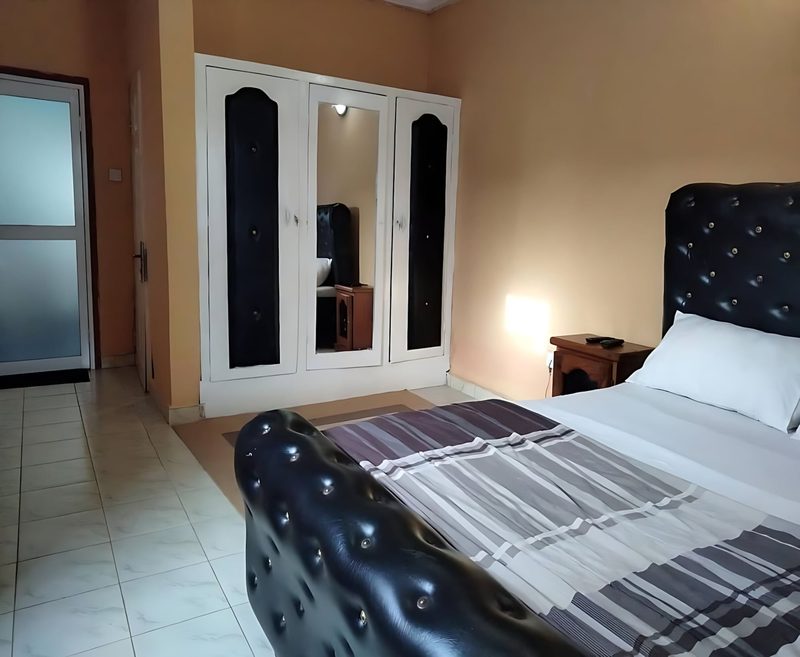
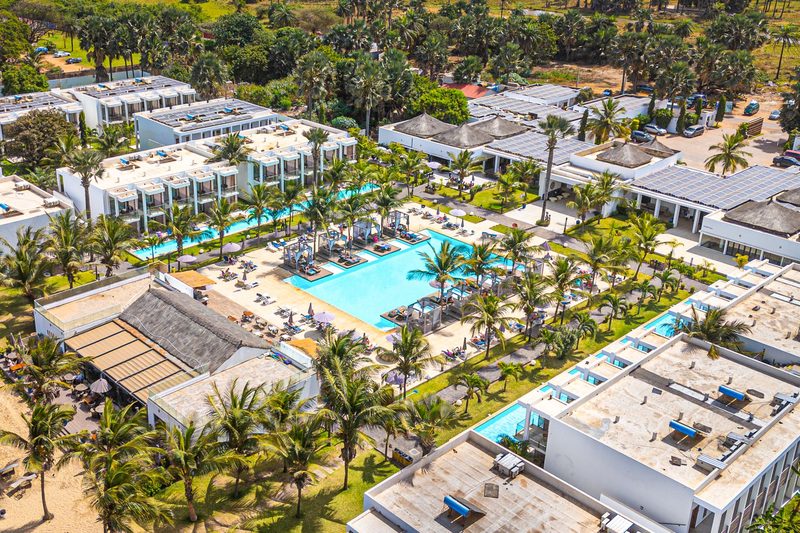
Where to Stay in Banjul in May
Hand-picked hotels across price tiers for May travellers.
Public Holidays in May
Dates that affect opening hours, transport and crowds
Labour Day
Observed nationwide as a public holiday.
Africa Day
Observed nationwide as a public holiday.
Labour Day
Observed nationwide as a public holiday.
Africa Day
Observed nationwide as a public holiday.
Packing Checklist
Bookmark this page — your progress is saved between visits
Need the full list with shopping links?
Climate-specific gear, brand recommendations, and what to leave at home.
View Banjul Packing List →Essential Tips
Insider knowledge and common pitfalls to avoid
Insider Knowledge
The attaya ritual is your fastest route to genuine connection in Banjul. Attaya is Gambian green tea, brewed in three rounds, the first bitter, the second moderate, the third sweet, and accepting an invitation to sit and drink it with a group of men outside a compound is not a tourist experience, it is daily social infrastructure. Each round takes fifteen to twenty minutes to brew on a small charcoal stove, and the conversation that fills the time is where you learn what is happening in the city. Refusing politely is fine. Accepting opens doors.
Greetings in The Gambia are not small talk. They are protocol. A proper greeting in Mandinka or Wolof runs through inquiries about your health, your family's health, the morning, the work, the peace. Rushing it or skipping it reads as rude in a way that is hard to recover from. Learn the basics: 'Salaamaalekum' to open, 'Maalekum salaam' in response, then 'Nanga def?' in Wolof or 'I be di?' in Mandinka for 'how are you?' The effort, however clumsy, changes how people treat you for the rest of the interaction.
The young men who approach tourists on the beach and near the Senegambia strip, locally called 'bumsters', are not dangerous. But they are persistent. They offer themselves as guides, friends, language teachers, and occasionally romantic interests. A clear, firm 'no, thank you' repeated without engagement is the effective response. Getting angry escalates it. Lengthy explanations extend it. The Gambian tourism authorities have worked to reduce the practice, and it is less intense than it was a decade ago. But it still catches first-time visitors off guard.
Albert Market in central Banjul is the real commercial heart of the city, not the curio stalls along the Senegambia strip. The market sprawls through a maze of corrugated-iron-roofed alleys where the air is thick with the smell of dried fish, ground spices, and the sharp chemical tang of new fabric dye. Go before 9 AM when the temperature is bearable and the vendors are setting up. The fabric section is worth the visit alone: Dutch wax prints and local tie-dye in colours that would be garish anywhere else but somehow work under this equatorial light.
Avoid These Mistakes
Staying exclusively on the Kololi and Senegambia tourist strip and never crossing into Banjul proper. The strip has the hotels and the nightlife, but Banjul, the actual capital, a ten-minute taxi ride away, has the history, the market, and the sense of a West African city that is not performing for visitors. The waterfront near the ferry terminal, the crumbling colonial architecture along Wellington Street, the National Museum's small but earnest collection of Gambian artefacts, these are the parts that make the trip specific to The Gambia rather than interchangeable with any beach destination.
Underestimating the midday heat and trying to sightsee between noon and 3 PM. In May, the combination of 31°C (88°F) temperatures and 72 percent humidity makes outdoor activity in the middle of the day exhausting. Locals retreat indoors or to shade, and the tourists who push through end up heat-sick and miserable. Split your day. Active mornings from 7 to 11 AM, indoor rest or pool time from noon to 3 PM, then a second window from 4 PM until dark. Simple.
Assuming that beach safety means lifeguards and marked swim zones. The Gambian Atlantic coast has strong undertows, near the rocky points at Fajara and Cape Point, and there is no organised lifeguard service. Swim where you see locals swimming, stay within your depth, and do not swim alone. The lagoon areas near Kotu Stream are calmer and safer for less confident swimmers.
Short on time? See day trips around Banjul on GetYourGuide.
Ready to plan your trip to Banjul?
Now that you've got the research covered, here's where to go next.
Explore More Activities in Banjul
Didn't see anything interesting yet?
Browse Viator's full catalog of tours, day trips, food experiences, and private guides in Banjul.
See All Banjul Tours on Viator