
What to Pack for Banjul
Complete packing checklist tailored to Banjul's climate and culture
Climate Overview for Banjul
Banjul sits on an island at the mouth of the Gambia River, with a temperate climate that belies its tropical latitude. The air carries a persistent humidity, a thick blanket you feel upon landing, mingling with the salty tang of the Atlantic and the earthy scent of the mangrove swamps. From November to May, the dry season brings relentless sun, a brilliant glare off the white sands of Kotu Beach, and daytime warmth tempered by a constant, dusty Harmattan breeze from the Sahara. The rainy season, from June to October, transforms the city. You will hear the sudden, heavy drumming of afternoon downpours on corrugated roofs, see streets briefly turn to shallow streams, and feel the air become almost liquid with moisture. Packing for Banjul means preparing for this duality: sun protection is non-negotiable year-round, and quick-drying, breathable fabrics are essential to manage the humidity, whether under the dry season sun or the rainy season's steam.
Clothing & Footwear

The streets of Banjul are a mix of paved roads and sandy paths, near the beaches and markets. A supportive shoe with a closed toe protects your feet from the hot ground and uneven surfaces while exploring Arch 22 or the Albert Market.

The humid air in Banjul means sweat does not evaporate quickly. Quick-dry underwear made from bamboo or synthetic blends will feel more comfortable, dry overnight after hand-washing, and reduce chafing during long days of sightseeing.

Maximize limited luggage space for varied outfits suited to Banjul's climate, from lightweight layers for dry season excursions to rain-ready gear for the wet months. These cubes also keep sandy beachwear separate from your other clothes.

An ideal bag for day trips from Banjul to nearby fishing villages or for carrying water, sunscreen, and a hat. Its foldable nature saves space in your main luggage for souvenirs like hand-dyed fabrics or wood carvings.
Electronics & Gadgets

Banjul uses British-style Type G plugs (three rectangular pins). A universal adapter with this type is important for charging any device in your hotel. Look for one with multiple USB ports, as power outlets can be scarce in older accommodations.

Power cuts can occur in Banjul. A high-capacity power bank ensures your phone stays charged for navigation, photos of the lively Albert Market, and communication throughout the day, during longer excursions outside the city.
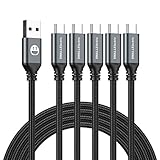
The braided design resists damage from sand and dust, common in the Banjul environment. Having multiple cables lets you charge your power bank, phone, and camera simultaneously when you find a reliable outlet.
Voltage fluctuations can happen in Banjul. This strip protects your electronics from surges and transforms a single hotel outlet into multiple charging stations for all your devices, a practical solution in rooms with limited plugs.
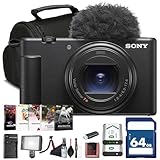
Capture the vivid colors of Banjul, the bright blue fishing boats on the river, the multicolored stacks of fabric at the market, and the green expanse of the mangrove forests, with higher quality than a phone, in variable light.
Toiletries & Health

Keeps liquids organized and compliant for flights to Banjul. The clear design makes security checks faster, and the separate compartments prevent leaks from sunscreen or insect repellant from spoiling your other items.

A basic kit is important for treating minor cuts, scrapes, or blisters from walking Banjul's streets. Include antiseptic wipes, bandages, and anti-diarrheal tablets, as gastrointestinal adjustment is common for travelers here.

Solid bars eliminate liquid spills in your luggage and work well with Banjul's water, which can sometimes be mineral-heavy. They are also more environmentally friendly, reducing plastic waste in the local area.

Keeps essential medications secure, dry, and organized in the humid Banjul climate. It also helps you maintain your schedule despite time zone changes or disrupted routines from travel.
Documents & Security

Safeguards your passport, visa, and vaccination certificates from digital theft in crowded areas like Banjul's ferry terminal or markets. It also protects physical documents from humidity and dust.

While Banjul is generally welcoming, discreetly carrying the bulk of your cash, a credit card, and your passport copy under your clothes is a sensible precaution against pickpocketing in busy urban settings.

Use these to secure your checked luggage on flights to Banjul and to lock backpacks or suitcases in your hotel room. Combination locks avoid the issue of lost keys.
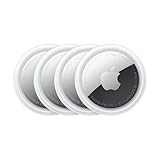
Provides peace of mind by letting you monitor the location of your checked bags during the journey to Banjul's often-small airport, where baggage handling can be less systematic.
Comfort & Convenience

Essential for sleeping on flights to Banjul and for blocking out early morning light in your hotel, if you are adjusting to the time zone or if your room lacks blackout curtains.

Muffles the sounds of Banjul at night, which can include distant music, barking dogs, or the call to prayer. They are also useful for long flights to reach the Gambia.

Staying hydrated in Banjul's heat is critical. A collapsible bottle is easy to fill with filtered or bottled water and tucks away when empty, saving space during city walks or trips to the beach.
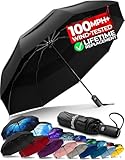
A must-have for the rainy season in Banjul, providing instant shelter from sudden, heavy downpours. In the dry season, it has a portable patch of shade during intense midday sun.

Good for spontaneous shopping at the Albert Market for fruits, spices, or crafts. It reduces plastic use and can be rinsed clean of market dust or sand from the beach.
Outdoor & Hiking Gear
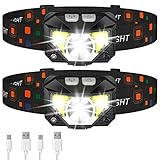
Useful for early morning walks to see Banjul's fishing fleet return or for navigating poorly lit streets at night. Essential if you take a night-time river trip to see the mangrove forests.

Provides an additional safety layer for drinking water during day trips outside Banjul, where bottled water may not be reliably available. Important for visiting more remote villages or nature reserves.
Seasonal Packing Adjustments
What to add or skip depending on when you visit
Dry Season
November, December, January, February, March, April, May
Add: High-SPF sunscreen (50+), Lip balm with SPF, A wide-brimmed hat, Sunglasses with UV protection, Light scarf for dust
Shop Dry Season essentials →Skip: Heavy rain jacket
The Harmattan wind drifts in Saharan dust. Visibility drops. A pale film settles on every surface. Bring clothes that hide dust well. Moisturizer saves dry skin. Nights turn cool fast. Pack a light sweater.
Rainy Season
June, July, August, September, October
Add: Lightweight, quick-dry rain jacket, Waterproof sandals or shoes, Mosquito repellent with DEET, Quick-dry travel towel, Waterproof bag for electronics
Shop Rainy Season essentials →Skip: Excessive cotton clothing (it dries slowly)
Rain slams down in short afternoon bursts. Sightsee in the morning. Humidity soars. Choose synthetic, breathable fabrics. Cotton stays soggy. Mosquitoes increase at dusk. Repellent is essential.
Luggage Recommendation
Choose a medium, tough suitcase with spinner wheels. Banjul pavements are rough. Hard shell blocks dust and damp. Shared taxis and cramped ferries reward small bags. Add a carry-on backpack. It doubles as a daypack.
Shop Carry-On Luggage on AmazonPro Packing Tips
Practical advice from experienced travelers
Don't Pack
- Heavy jeans or denim jackets. Too hot. Too slow to dry.
- Expensive jewelry or flashy watches. Unnecessary. They mark you as a target.
- Large bottles of shampoo or conditioner. Skip them. Africell supermarket and Senegambia shops stock good brands. Saves kilos in your bag.
- A heavy guidebook. Info is thin anyway. Download the digital version. Ask your hotel for tips.
- Formal evening wear. Banjul keeps it casual. Smart-casual works everywhere.
- Multiple pairs of heavy shoes. One solid walking pair. One pair of sandals. Done.
Buy Locally
- Local SIM card. Grab a Gamcel or Africell at the airport kiosk. Banjul shops sell them too. Cheap data and calls.
- Sunhats and lightweight cotton clothing. Albert Market sells better hats. Local cotton shirts breathe more. Prices beat imported gear.
- Insect repellent. Bring a small bottle. Pharmacies stock strong local brands if you run out.
- Fresh fruit. Leave apples and oranges at home. Street vendors sell mangoes, bananas, papayas. Cheap. Delicious.
- Bottled water. Buy it here. Sealed 1.5-liter bottles cost little. Safer than lugging weight.
Packing Hacks
- Roll clothes instead of folding to save space
- Pack shoes in shower caps to protect clothes
- Use packing cubes to stay organized
- Keep essentials in your carry-on
Continue Planning Your Trip
More guides to help you prepare
Ready to plan your trip to Banjul?
Now that you've got the research covered, here's where to go next.